Modeling & Materials
Weekly Design Challenge Template
Charlene Pham
Module 1
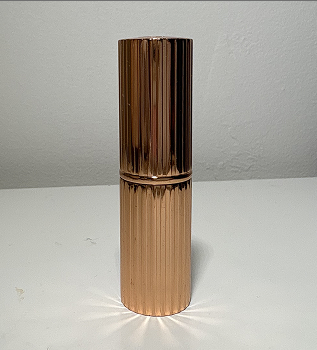
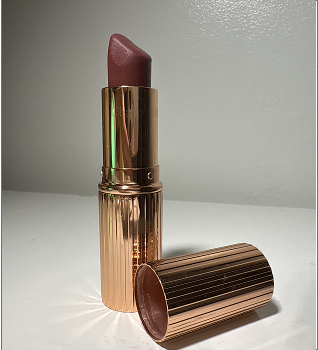
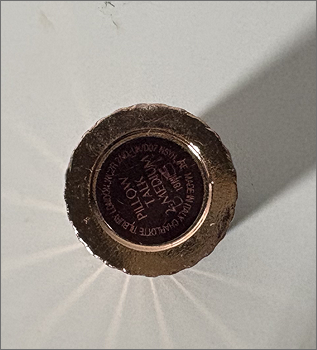
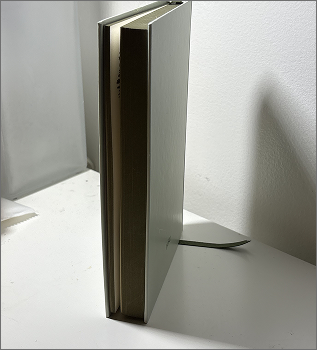
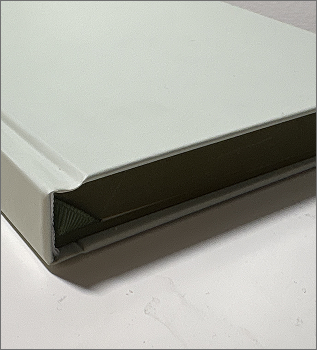
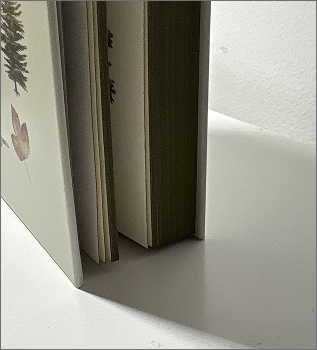
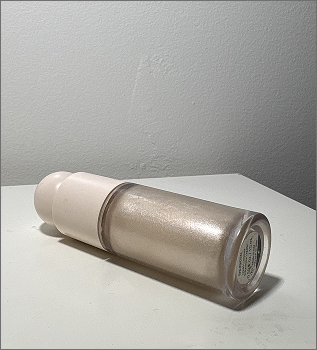
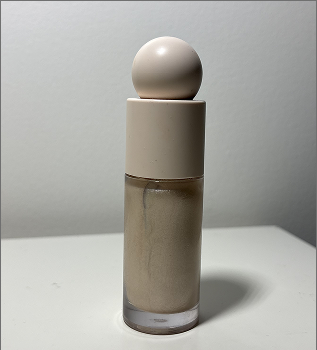
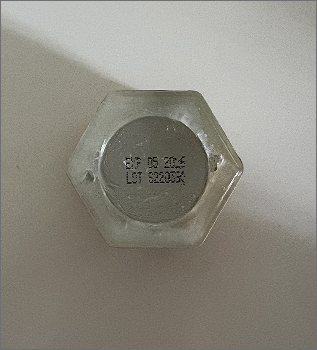
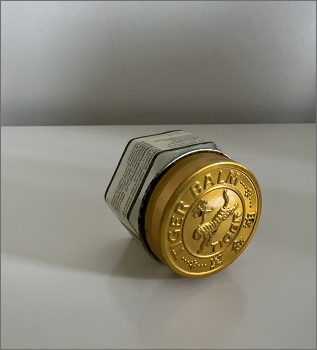
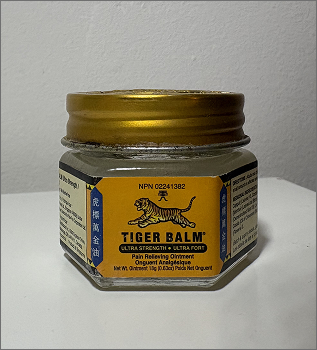
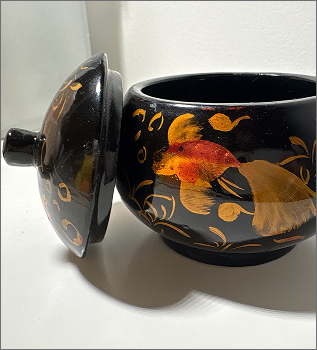
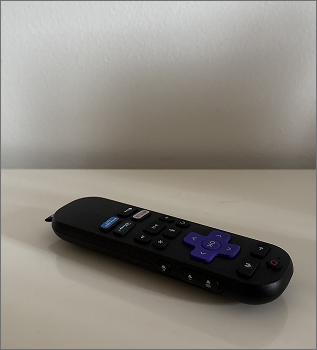
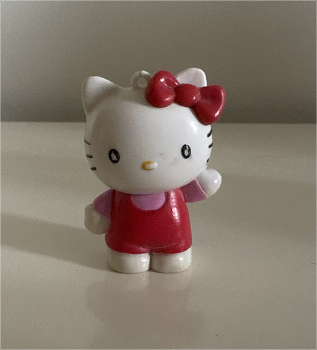
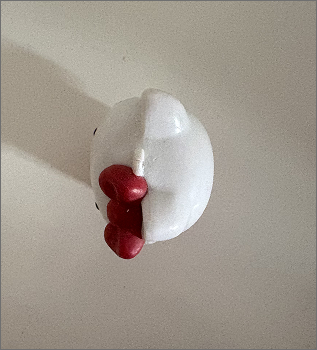
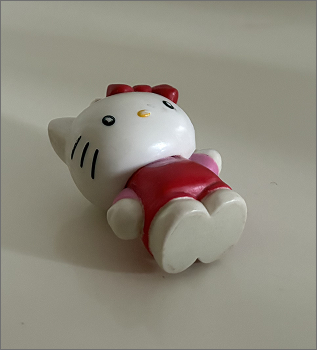
The goal of this module is focus on formstorming through primitve and complex objects, as well as material exploration. Starting with a collection of photographed items that mimic different shapes and form to replicate in 3D modeling.
Design Challenge 1

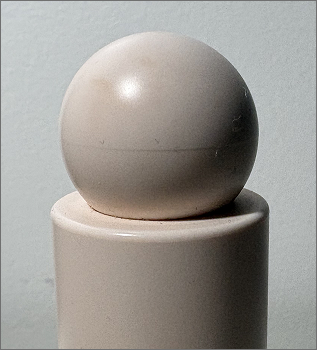
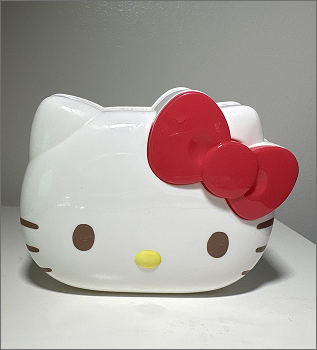
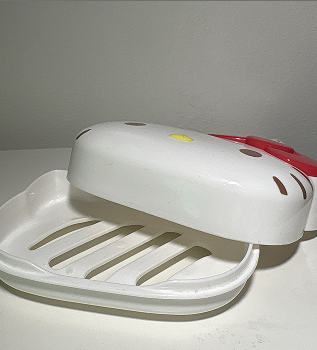
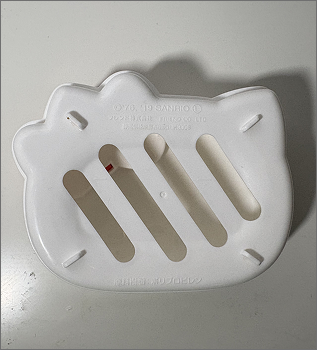
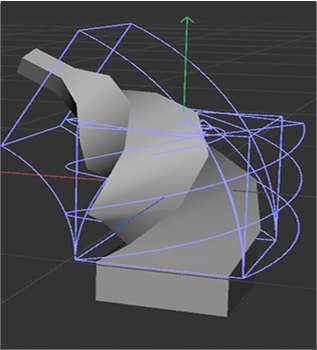
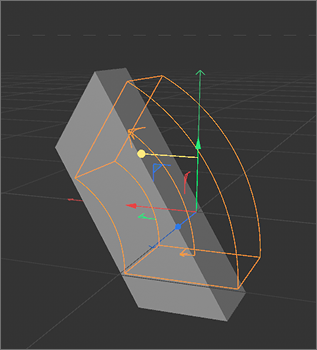
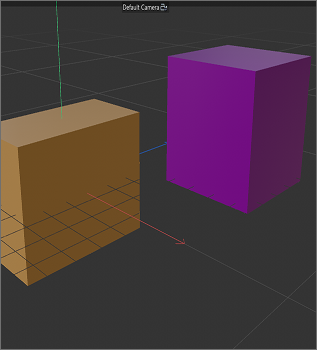
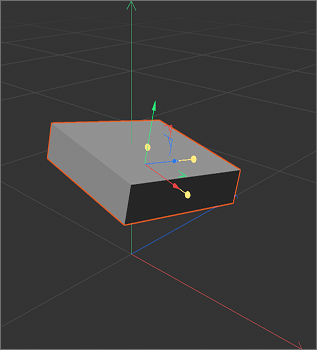
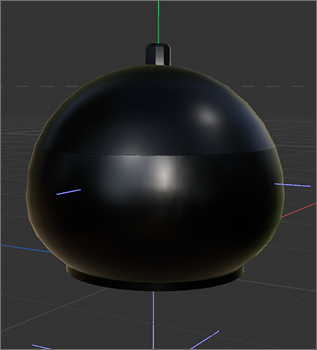
Design Challenge 2
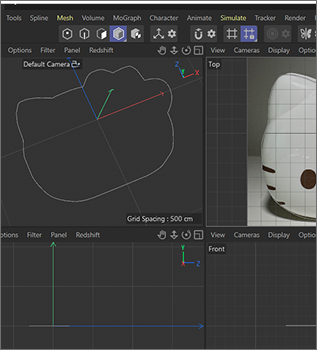
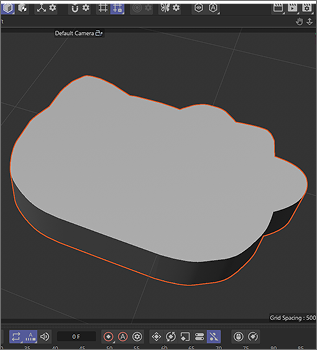
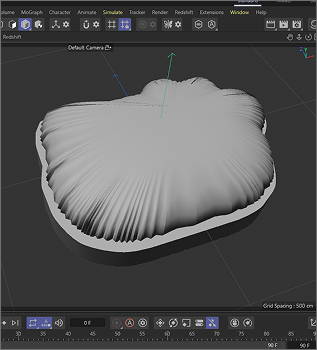
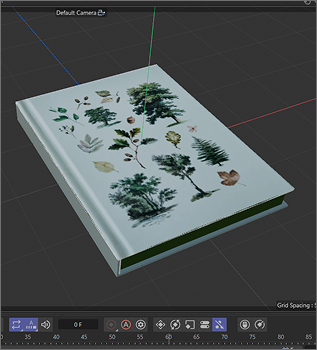
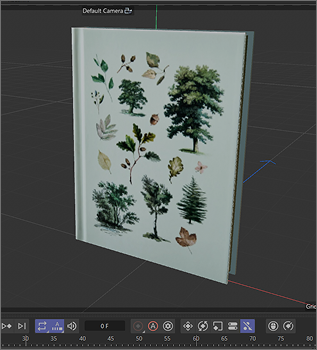
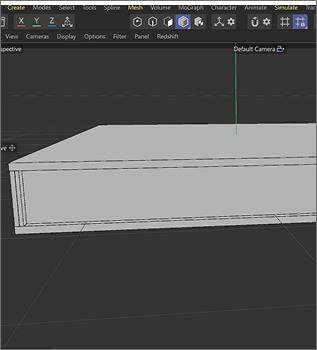
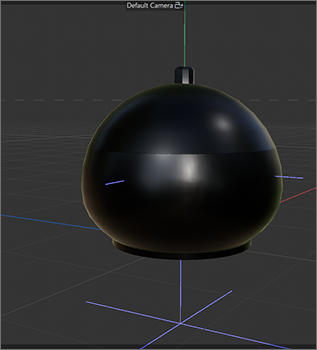
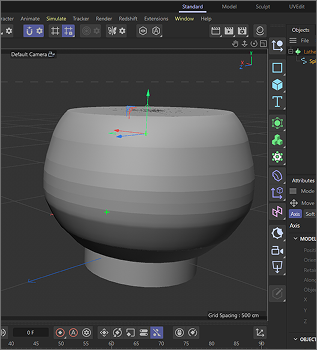
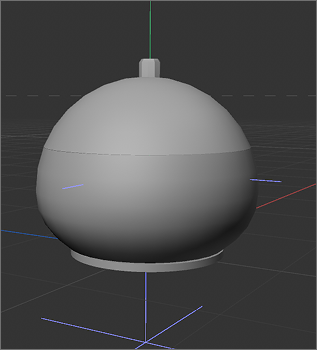
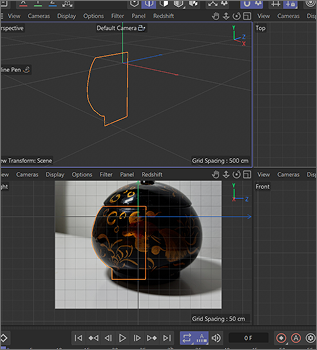
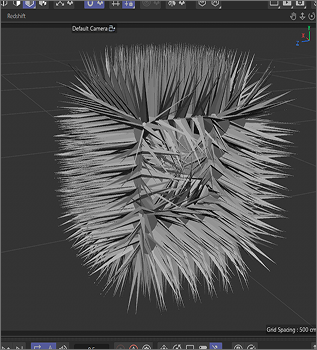
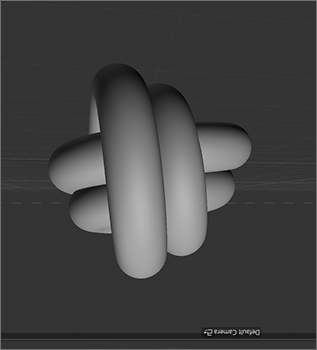
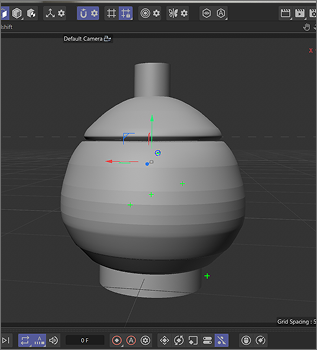
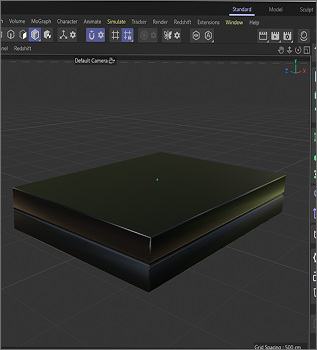
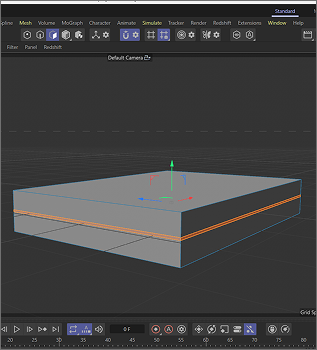
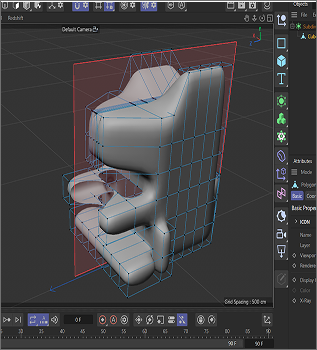
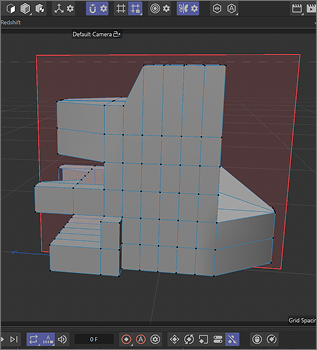
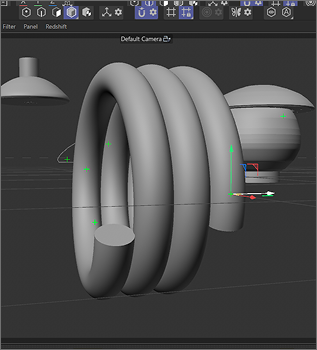
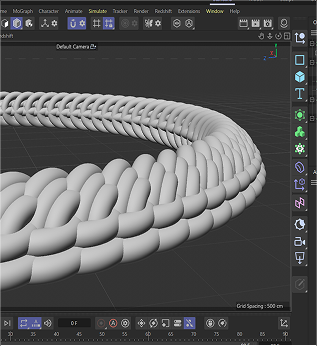
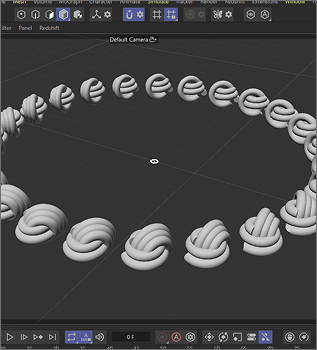
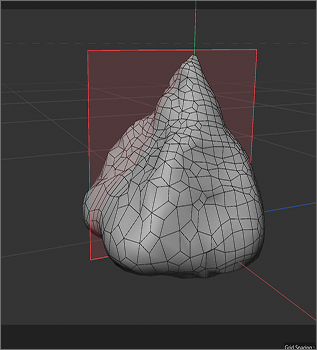
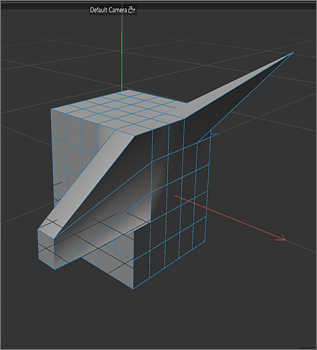
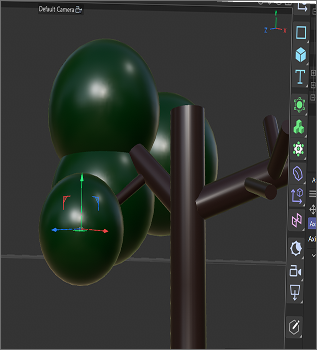
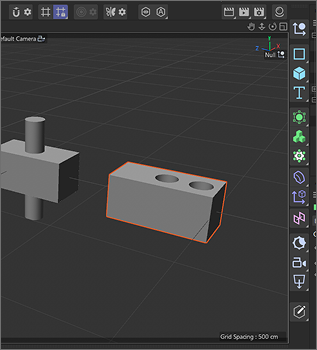
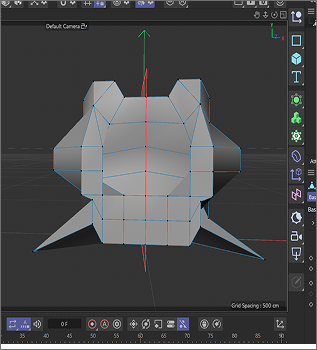
Material Workshop 1
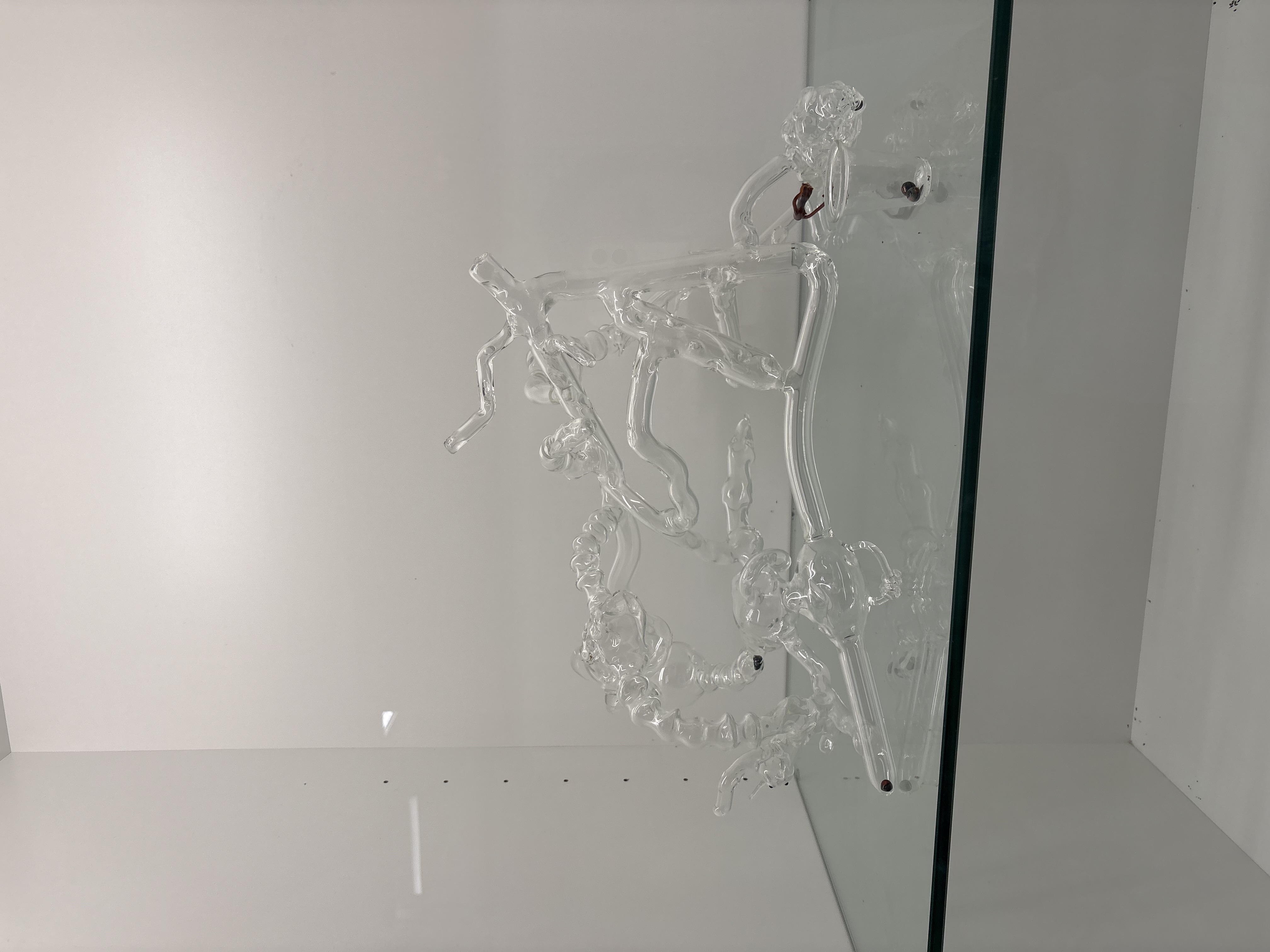
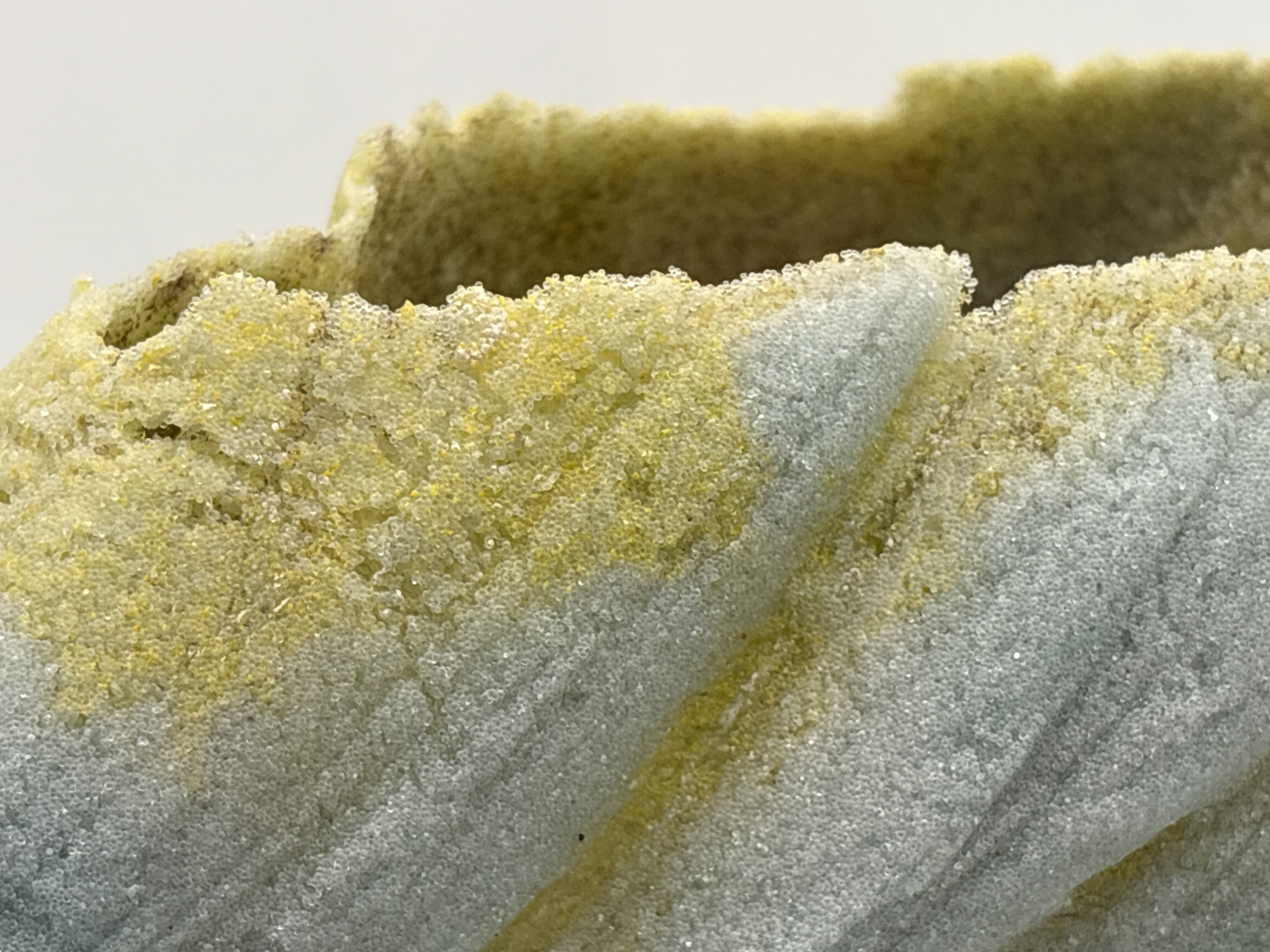
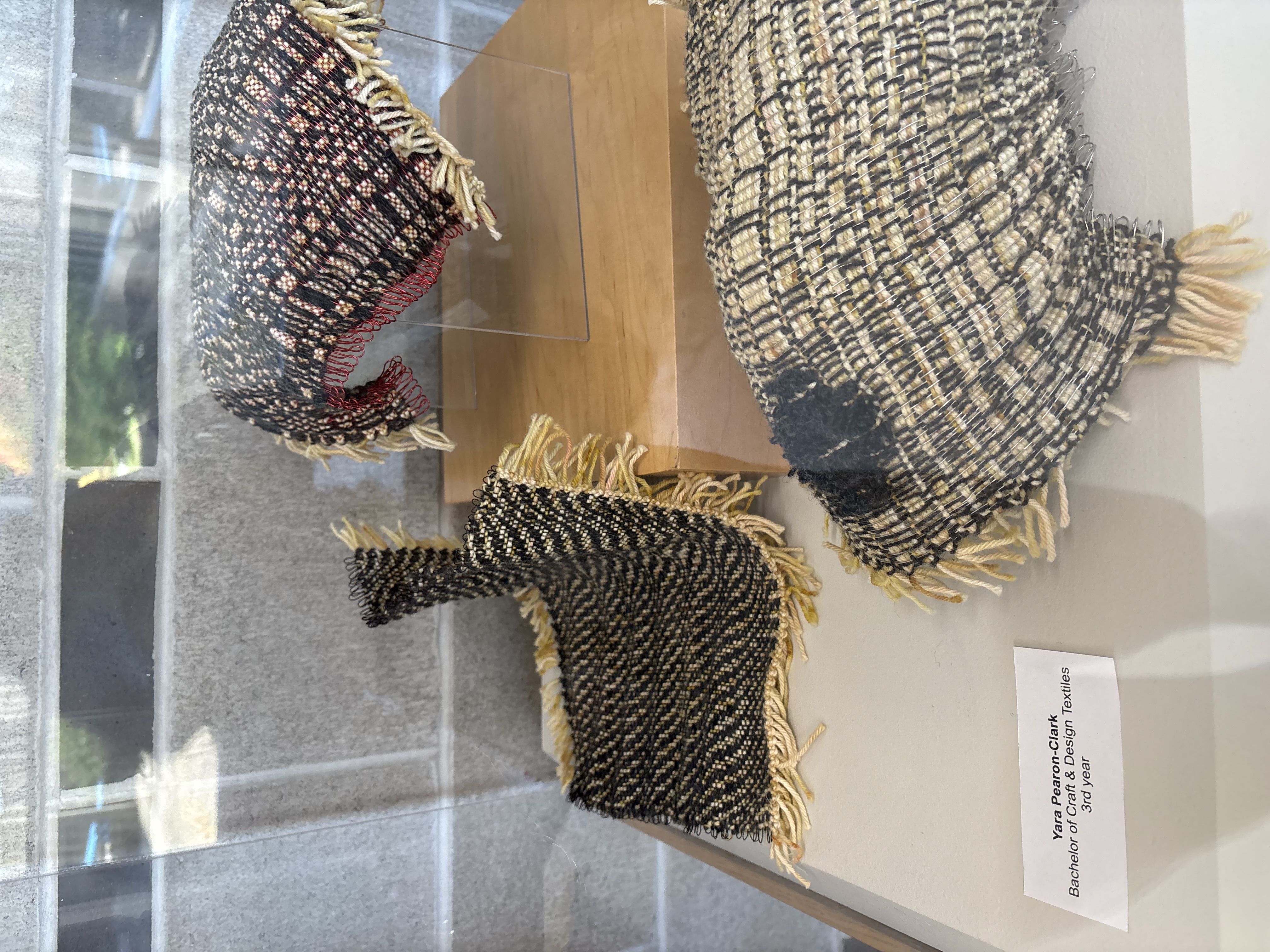
Material Workshop 2
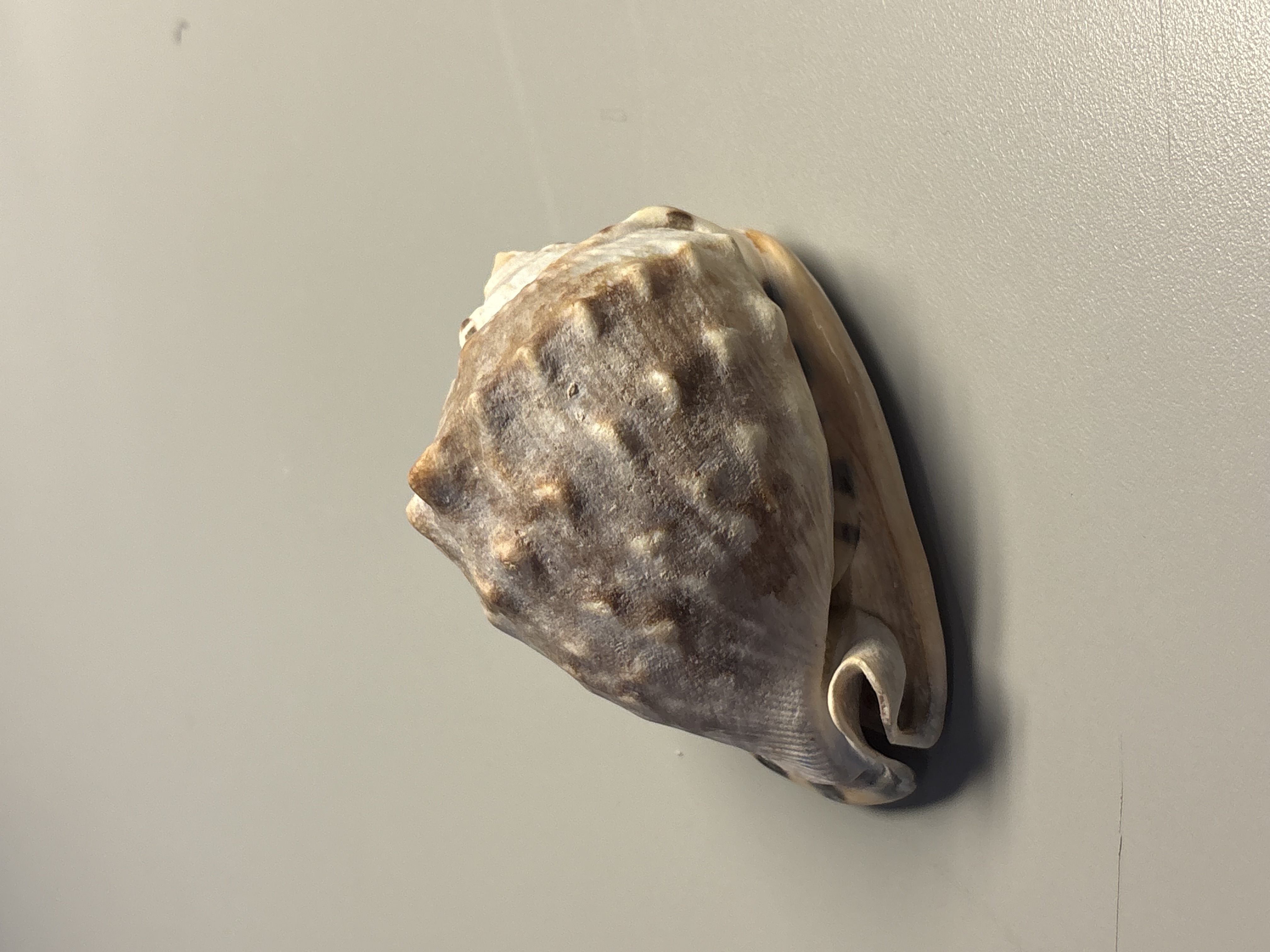
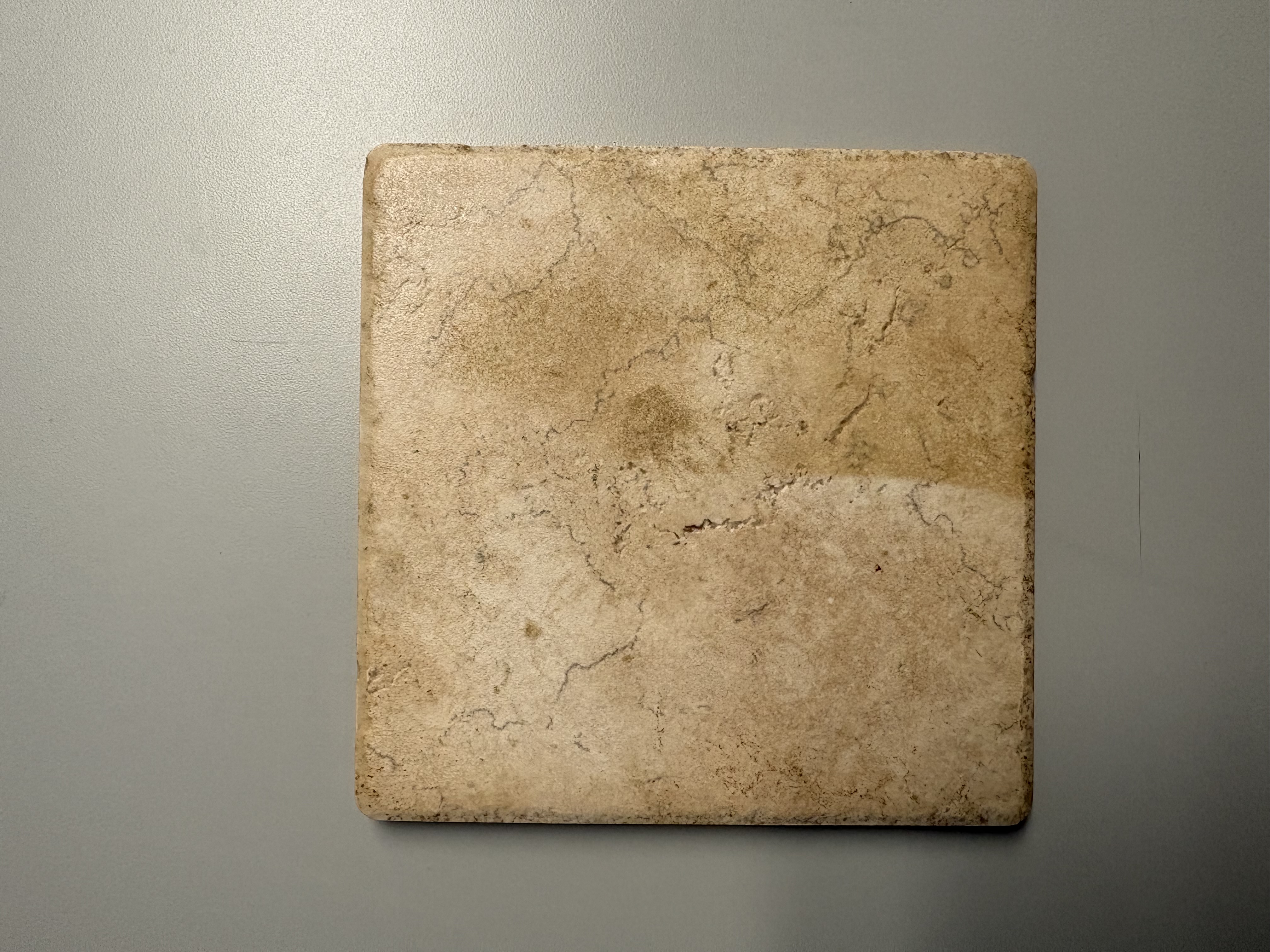
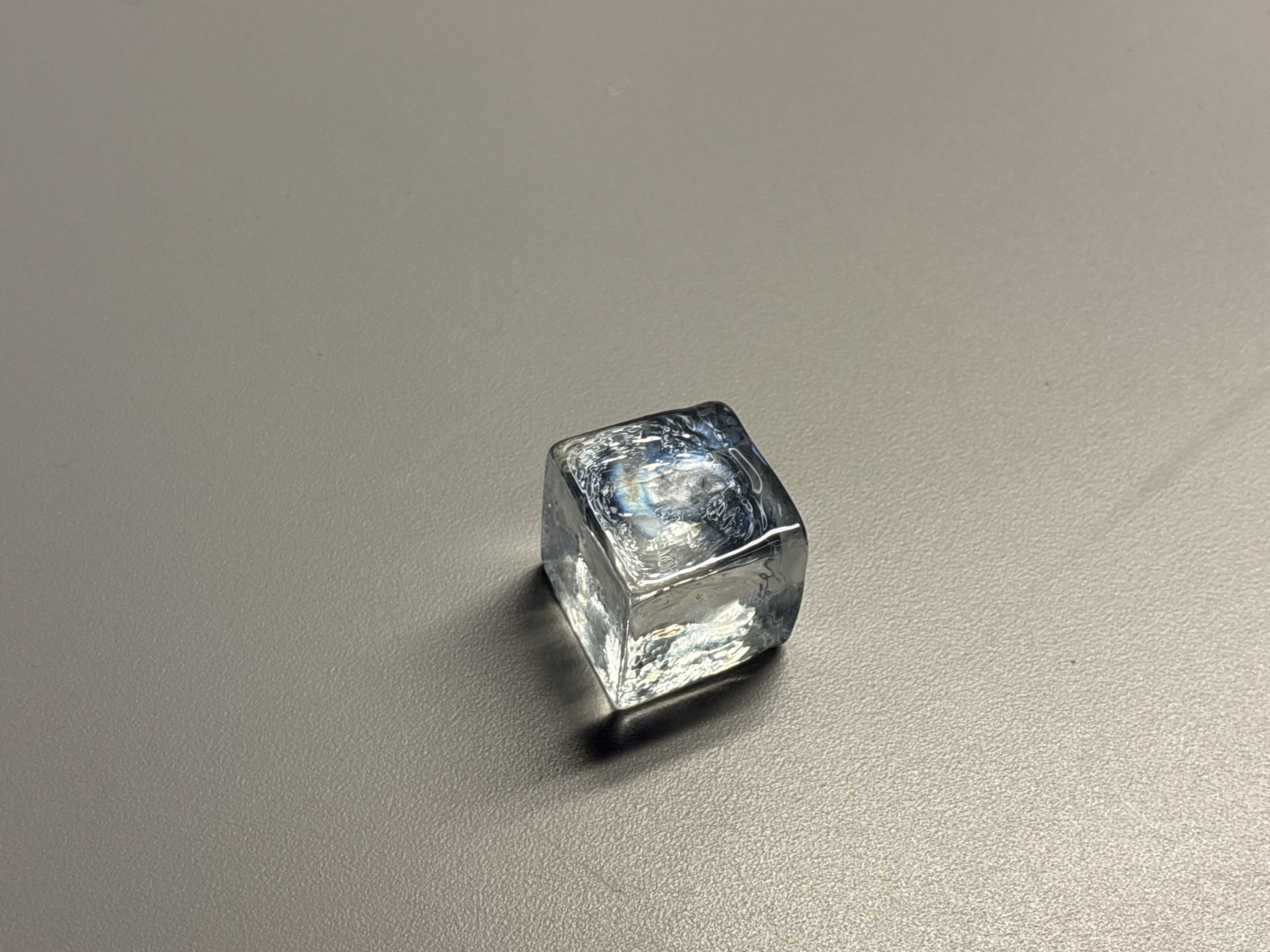
Project 1
Project 1 Models
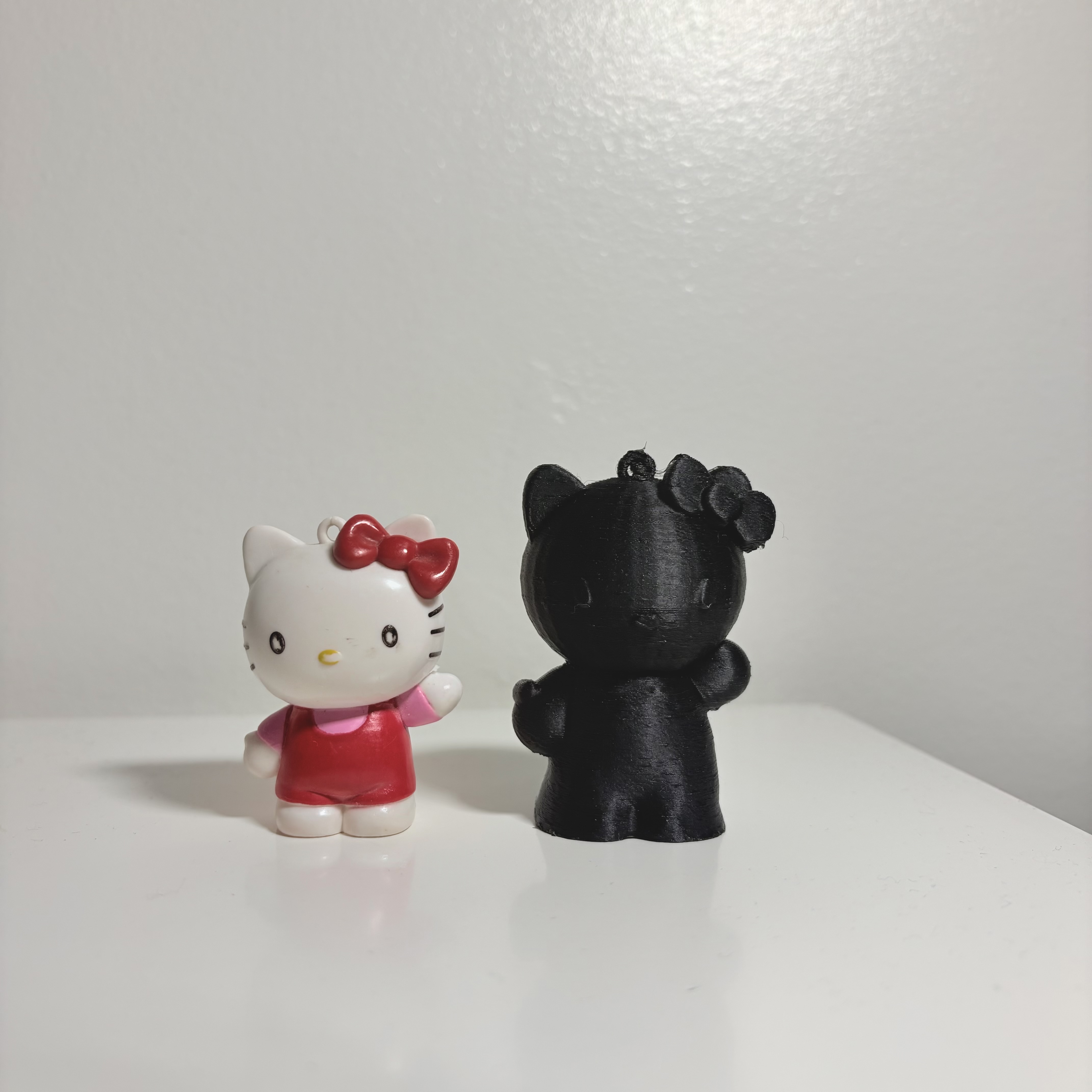
Published 3D Model 1
Material Study of real life object vs 3D print
Material State: Refined
Material Plasticity: Rigid, rubbery
Material use: Used for a keychain
Feels like plastic and rubbery
Most figurine keychains that feel rubbery are soft polyvinyl chloride
They often feel rigid enough to hold shape but have a smooth, matte texture that does not feel like hard plastic.
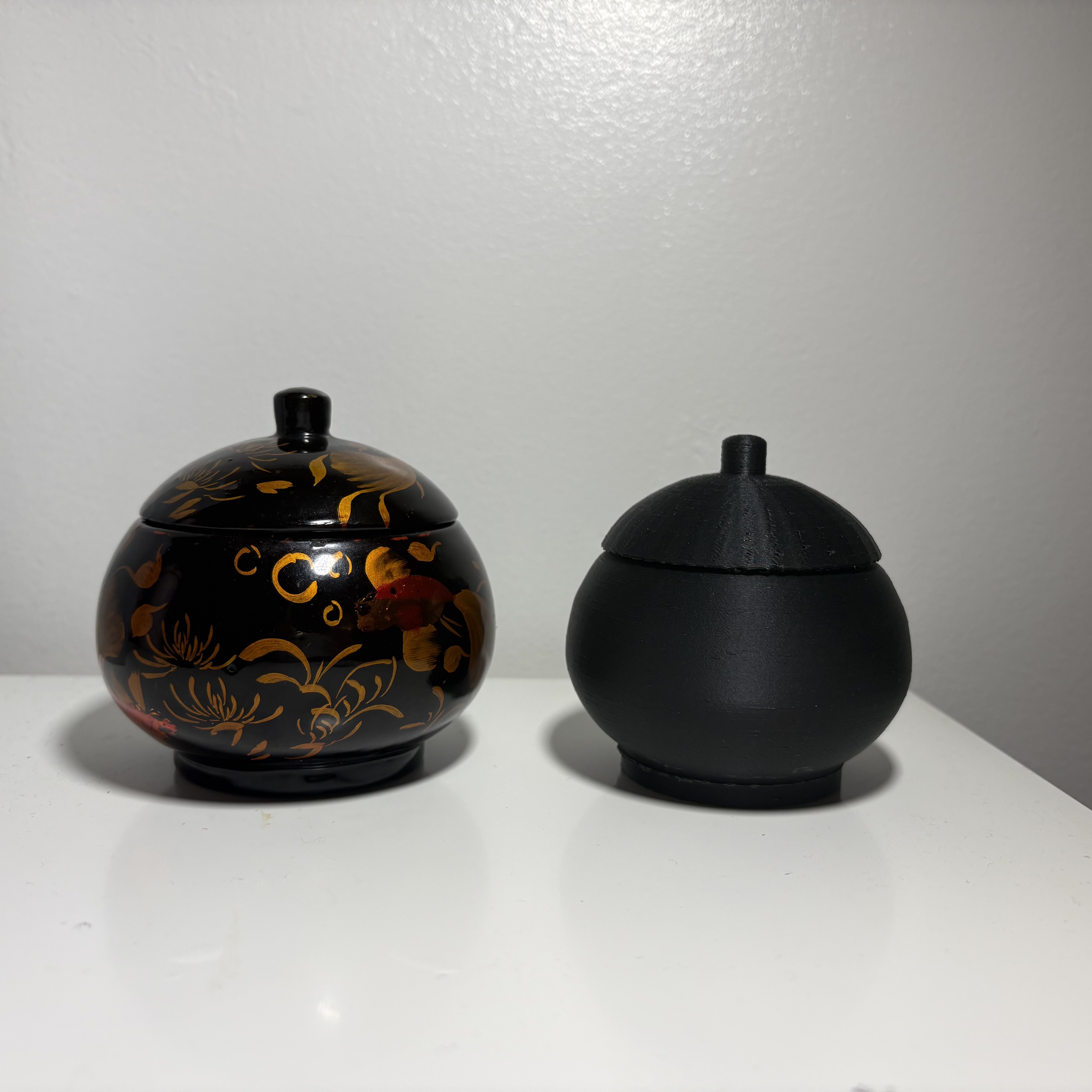
Published 3D Model 2
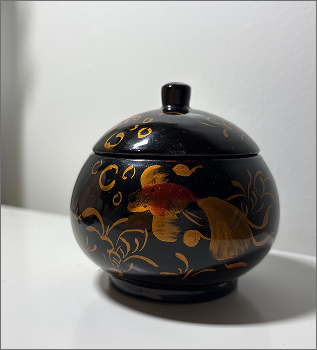
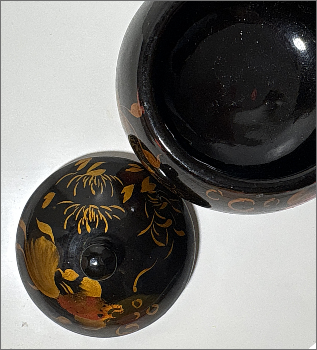
Material Study of real life object vs 3D print
Material State: Refined
Material Plasticity: Rigid, lightweight
Material use: Holding trinkets and jewelry
Made out of wood and sealed laquer
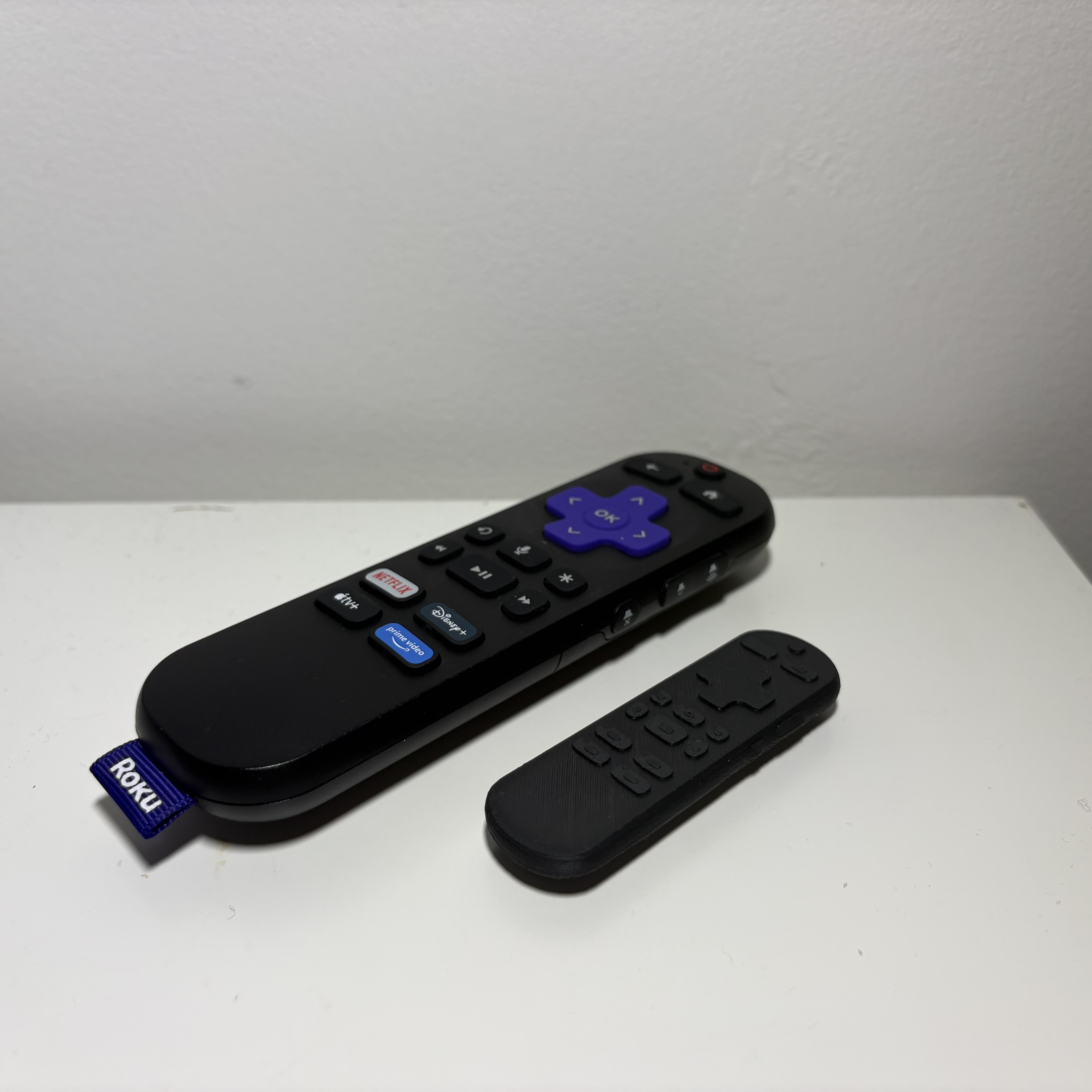
Published 3D Model 3
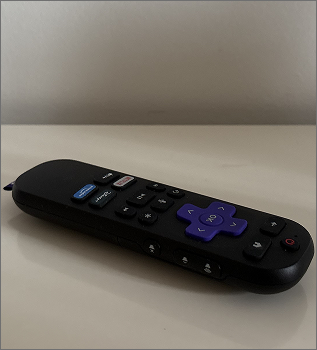
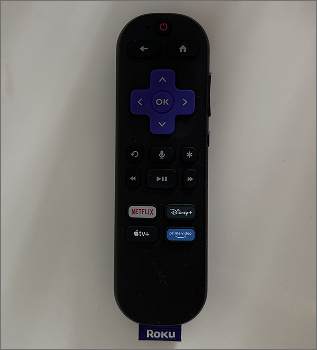
Material Study of real life object vs 3D print
Material State: Refined
Material Plasticity: Rigid
Material use: Electronic
Outer shell made of ABS plastic (Acrylonitrile Butadiene Styrene), known to be lightweight and difficult to break if dropped.
Buttons are molded from silicone rubber.

Powered by w3.css
Design Challenge 1
Design Challenge 2
Material Workshop 1
Material Workshop 2
Project 1
Project 1 Models
Published 3D Model 1
Material Study of real life object vs 3D print
Material State: Refined
Material Plasticity: Rigid, rubbery
Material use: Used for a keychain
Feels like plastic and rubbery
Most figurine keychains that feel rubbery are soft polyvinyl chloride
They often feel rigid enough to hold shape but have a smooth, matte texture that does not feel like hard plastic.
Published 3D Model 2
Material Study of real life object vs 3D print
Material State: RefinedMaterial Plasticity: Rigid, lightweight
Material use: Holding trinkets and jewelry
Made out of wood and sealed laquer
Published 3D Model 3
Material Study of real life object vs 3D print
Material State: Refined
Material Plasticity: Rigid
Material use: Electronic
Outer shell made of ABS plastic (Acrylonitrile Butadiene Styrene), known to be lightweight and difficult to break if dropped.
Buttons are molded from silicone rubber.
Powered by w3.css